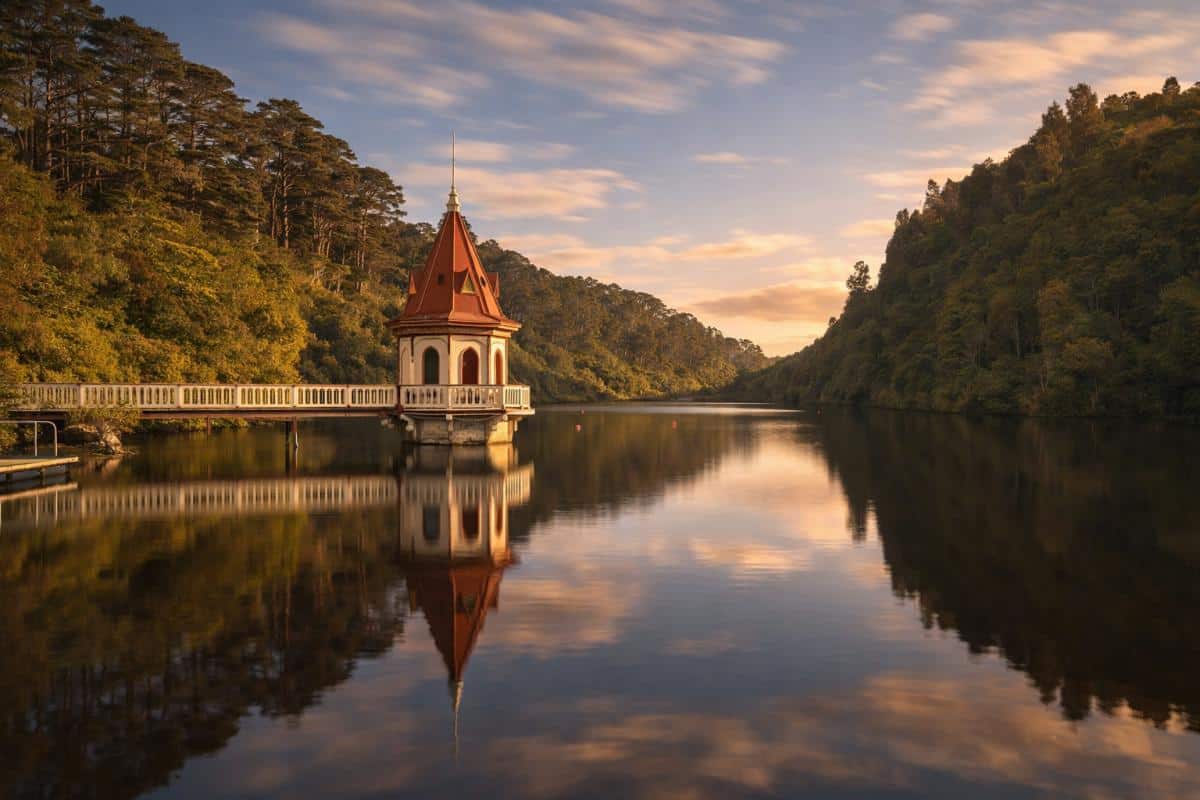
Ten minutes from Wellington’s parliament buildings there is a valley where the introduced mammals that reshaped New Zealand simply are not. Zealandia Te Mara a Tane is 225 hectares of regenerating forest behind a fence built to keep the last 800 years out, and the plan for the place runs 500 years long. Knowing that changes how you walk through it.
ウェリントンの国会議事堂から車でわずか十分ほどの谷に、ニュージーランドの自然を作り変えてしまった外来の哺乳類が「いない」場所があります。ゼランディア・テ・マーラ・ア・ターネは、二百二十五ヘクタールの再生林を専用のフェンスで囲んだ、世界で最初の完全柵囲い型都市生態保護区です。動物園ではありません。ここで進行しているのは五百年をかけた森の復元計画で、そのことを知っているかどうかで、谷を歩く時間の意味はまるで変わってきます。
The Fence and the Five-Hundred-Year Plan | フェンスと五百年の計画
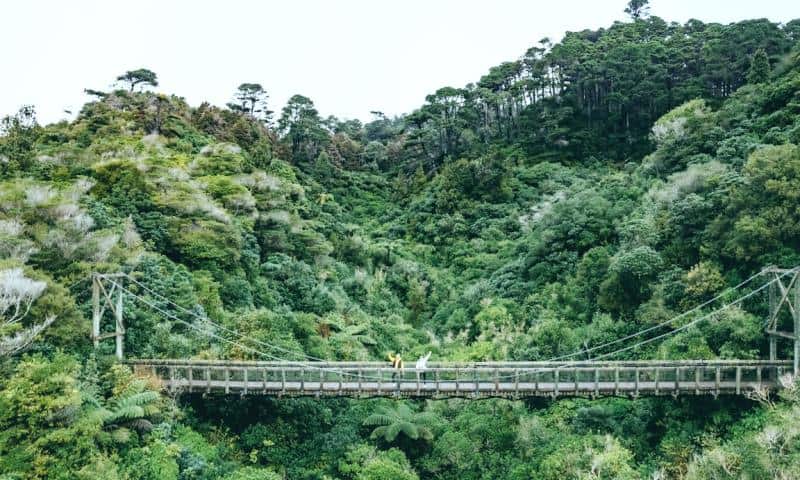
What Zealandia Actually Is | ゼランディアという場所
カロリという住宅街の奥、ウェリントン中心部から車で十分ほど入った谷にゼランディアはあります。広さは二百二十五ヘクタール、およそ一平方マイル。ニュージーランド固有の鳥や爬虫類、昆虫、植物が、外来の捕食者のいない環境で野生のまま暮らしています。正式名称のテ・マーラ・ア・ターネは、マオリ語で「森と鳥の神ターネの庭」という意味です。神話の森の守り神の名を冠したこの呼び名には、ここが見世物の施設ではなく、本来あるべき森を取り戻すための場所だという宣言が込められています。
The sanctuary sits at the top of Waiapu Road in Karori, about ten minutes drive from central Wellington. It covers 225 hectares – just under a square mile – and everything living in it is wild rather than housed. The full name, Te Mara a Tane, means the garden of Tane, the Maori atua of forests and birds, and it is a fair description of the ambition. Not animals on display, but a working piece of the forest that stood here before people arrived.
An 8.6km Fence, and Why It Matters | 八・六キロのフェンスが果たす役割
この谷を守っているのは、全長八・六キロの捕食者除けフェンスです。一九九九年に完成したこの構造物は、ネズミ、イタチ、フクロギツネ、猫といった外来の哺乳類を締め出すために設計されました。地中にも張り出し、頂部は登れない形状になっています。それでも侵入がゼロになるわけではありません。二〇二六年八月には南端でイタチが目撃され、保護区は定められた侵入対応計画を即日発動しました。フェンスは魔法の壁ではなく、人が毎日点検して初めて機能する装置なのだと分かります。
The fence runs 8.6 kilometres and was finished in 1999, the first of its kind anywhere to ring an urban valley. It excludes introduced mammals – rats, stoats, weasels, possums, cats – with a buried skirt against digging and a rolled cap nothing can climb. It is not infallible. A volunteer spotted weasels at the southern end in August 2026 and the incursion response plan ran the same day. The fence works because people walk it, not because it is magic.
A Plan Measured in Centuries | 五百年という時間の単位
ゼランディアの計画表は、五百年という単位で書かれています。人が到来する前の谷の姿を取り戻すという目標に対して、人ひとりの一生はあまりに短い。だからこの計画は短期の成果ではなく、世代をまたぐ工程として組み立てられているのです。これまでに二十三種の在来種が地域へ戻され、その中には本土から百年以上姿を消していた種も含まれます。効果は柵の外にも及びました。ウェリントンの街なかでトゥイやカーカーの声が当たり前に聞こえるようになったのは、この谷から鳥が出ていったからです。
Zealandia’s restoration plan runs on a 500-year timeline, an unusual thing to find on a visitor attraction’s wall. The goal is the valley as it was before people arrived, and nobody working there now expects to see it finished. What they point to is progress: 23 native species returned to the region, several absent from the mainland for over a century. The effect leaks past the fence. Tui and kaka are ordinary sounds in central Wellington these days, and thirty years ago they were not.
Gold, Water and a Valley Left Alone | 金と水、そして放っておかれた谷
今ある森は、偶然と歴史が重なって残されたものです。一八五〇年代と六〇年代の火入れで一帯の広葉樹林は失われ、一八六九年にはカイワラワラ川で砂金が見つかって小さなゴールドラッシュも起きました。転機は一九〇六年、この谷がウェリントン市の水源地として買い上げられたことです。立ち入りが制限された結果、斜面は数十年をかけて静かに再生していきました。貯水池としての役目は一九九一年と一九九七年に終わり、一九九〇年代初頭にジム・リンチが保護区構想を提唱、一九九五年に設立された信託団体がフェンスの完成へとつなげます。
The forest you walk through survived by accident. Fires in the 1850s and 1860s cleared the original broadleaf bush for farming, and alluvial gold in the Kaiwharawhara stream brought a small rush in 1869. The turn came in 1906, when the catchment was bought for Wellington’s waterworks and closed to the public, protected and quietly regenerating for most of a century. The reservoirs were decommissioned in 1991 and 1997. Jim Lynch was already arguing for a sanctuary, and the trust formed in 1995 built the fence.
Meet the Locals | 出会える住人たち
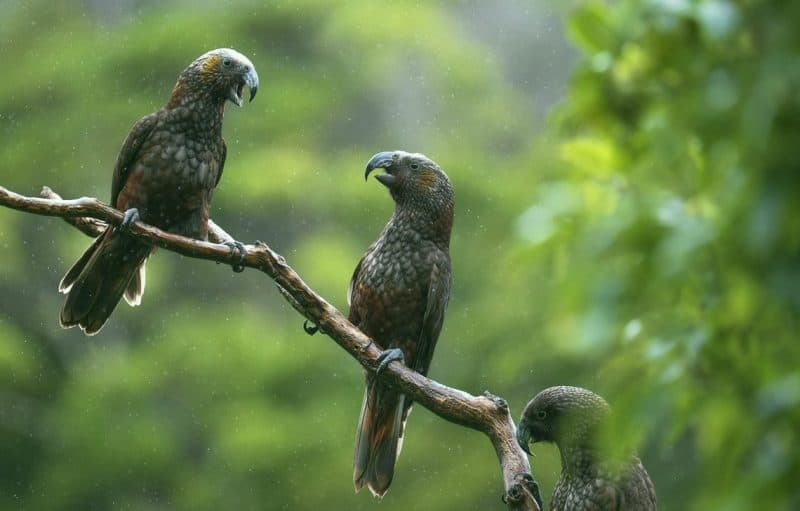
The Birds Are Wild, and They Do Not Perform | 鳥は野生で、演じてはくれない
ここで最初に理解しておきたいのは、鳥は檻の中にいないということです。四十種を超える在来鳥類が記録され、そのうち二十四種はニュージーランドにしか生息しません。しかし彼らは谷のどこにいても自由で、来訪者の都合には合わせてくれません。急いで歩けばほとんど何も見えず、立ち止まって耳を澄ませば、頭上でカーカーが枝を割る音や、茂みの奥から響くティエケの鋭い声に気づきます。日本の動物園に慣れた目には最初もどかしいかもしれませんが、この不確実性こそが本物である証です。
Worth getting straight before you arrive: the birds are not in enclosures. More than 40 native bird species have been recorded here and 24 live nowhere else on earth, but they go where they like and owe you nothing. Walk fast and you will see very little. Stand still five minutes and you pick up kaka cracking branches overhead, or the hard chatter of a tieke in the scrub. Staff and volunteers are usually out on the tracks and will point things out.
Tuatara, Weta and the Older Residents | トゥアタラとウェタ、より古い住人
鳥よりもはるかに長い時間をこの土地で過ごしてきた生きものもいます。トゥアタラは恐竜と同じ時代からほとんど姿を変えていない爬虫類で、生きた化石と呼ばれる存在です。日中は日当たりのよい場所で身じろぎもせずにいるため、足元をよく見ている人ほど見つけられます。世界的に稀少なハミルトンズ・フロッグ、手のひらを覆うほどの大きさになるジャイアント・ウェタ(巨大なコオロギの仲間)もこの谷の住人です。派手さはありませんが、この生態系の土台を支えているのは彼らのほうです。
Some residents predate the birds by a long way. Tuatara are reptiles that have barely changed since the age of the dinosaurs, which is why the living fossil label sticks, and they spend daylight sitting completely still in a warm spot. The visitors who find them are the ones looking down rather than up. The valley also holds Hamilton’s frog, one of the rarest amphibians anywhere, and giant weta, a cricket relative that fills your palm. None of them perform. They are the floor the whole ecosystem stands on.
The Forest, the Lakes and the Old Dam | 森と湖、そして古いダム
生きものばかりに目を奪われがちですが、足元と頭上の植生も同じくらいの見どころです。ニュージーランドの在来植物のおよそ八割はこの国にしか存在せず、落葉する樹種がほとんどないため、森は一年を通して深い緑を保ちます。谷底には二つの湖があり、水際には湿地が整備されて、淡水魚や水生昆虫が戻ってきました。一九〇八年に完成したコンクリートのアーチダムも今なお上の湖を支えています。菌類も豊富で、雨上がりには色も形も驚くほど多様なキノコが顔を出します。
It is easy to spend the visit hunting animals and miss what they live in. Around 80 percent of New Zealand’s native plants grow nowhere else, and because almost none of them drop their leaves, the forest stays green through winter. Two lakes sit in the valley floor, with wetland margins built to bring freshwater fish and insects back, and the concrete arch dam of 1908 still holds the upper one. After rain the fungi appear, in colours and shapes out of all proportion to the space.
After Dark | 日が落ちてから
Why the Night Tour Is the One to Book | 夜のツアーこそ選ぶ価値がある
昼と夜では、この谷はまったく別の場所になります。日中に見られる可能性が低い生きものの多くは夜行性で、ゼランディアはリトル・スポッテッド・キーウィ(小型のキーウィ)の国内有数の生息地です。谷にはおよそ二百羽が暮らすと推定され、暗くなってからのガイドツアーでは、落ち葉をかき分ける独特の足音や、鋭い鳴き声に出会える可能性があります。ルル(在来のフクロウ)の声、洞窟性のウェタ、そして湿った切り通しに散らばる土ボタルの光も夜だけのものです。確約はできませんが、確率で言えば夜が圧倒的に有利です。
The valley is a different place after dark, and most of what people hope to see is nocturnal. Zealandia holds one of the country’s largest populations of little spotted kiwi, somewhere around 200 birds, and the guided night walk is the realistic way to meet one – usually by hearing it first in the leaf litter. Ruru, the native owl, call across the bush. Cave weta appear on the banks, glowworms in the damp cuttings. Nothing is guaranteed, but the odds after dark are not close.
What Walking in the Dark Asks of You | 夜歩きに必要なもの
夜のツアーは日没ごろに出発し、参加者は保護区が用意する赤いフィルター付きのライトを使って歩きます。白い光は生きものを驚かせてしまうため、写真のフラッシュも使えません。服装は昼より一段階厚く。ウェリントン特有の南風は谷の中でも容赦なく体温を奪うので、日本の感覚では春や秋でも上着は必須と考えておくのが安全です。足元は舗装されていない山道なので、歩き慣れた靴を用意してください。そして最も必要なのは、ガイドが耳を澄ませている間、静かに立ち止まっていられる忍耐力かもしれません。
Night tours leave around dusk and you walk with a red-filtered torch the sanctuary hands out – white light startles the wildlife. Flash photography is out for the same reason. Dress a layer warmer than you think you need. A Wellington southerly finds its way into the valley and the temperature drops fast once the light goes. The tracks are unsealed and uneven, so proper shoes rather than street shoes. What really decides how much you see is whether you can stand still and stay quiet while the guide listens.
Planning the Visit | 訪問の計画
Getting There, Hours and Tickets | 行き方・営業時間・チケット
住所はカロリのワイアプ・ロード五十三番地。ウェリントン中心部から車でおよそ十分、空港からは十五分から二十分ほどの距離です。市内のiSITEとケーブルカー山頂駅からは無料の電気シャトルが運行しているため、レンタカーがなくても不便はありません。開園は朝九時、最終入場は午後四時で、閉園時刻は季節によって前後します。大人の入園料はおおむね二十六ドルから三十一ドル、十六歳以下は十ドルから十二ドル、五歳未満は無料で、ガイドツアーの料金には入園料が含まれます。最新の営業時間やトラックの状況は、出発前にゼランディアの公式サイトで確認しておくと安心です。
Zealandia is at 53 Waiapu Road in Karori, ten minutes drive from central Wellington and 15 to 20 from the airport. Free electric shuttles run from the city i-SITE and the top of the Cable Car, so you do not need a car. Gates open at 9am with last entry at 4pm, and closing shifts a little between summer and winter. Adult admission has been running at around $26 to $31, children 16 and under at $10 to $12, under-fives free, and entry comes with a guided tour ticket. The sanctuary’s own website carries current hours and track updates.
How Long to Give It | どれくらい時間を取るか
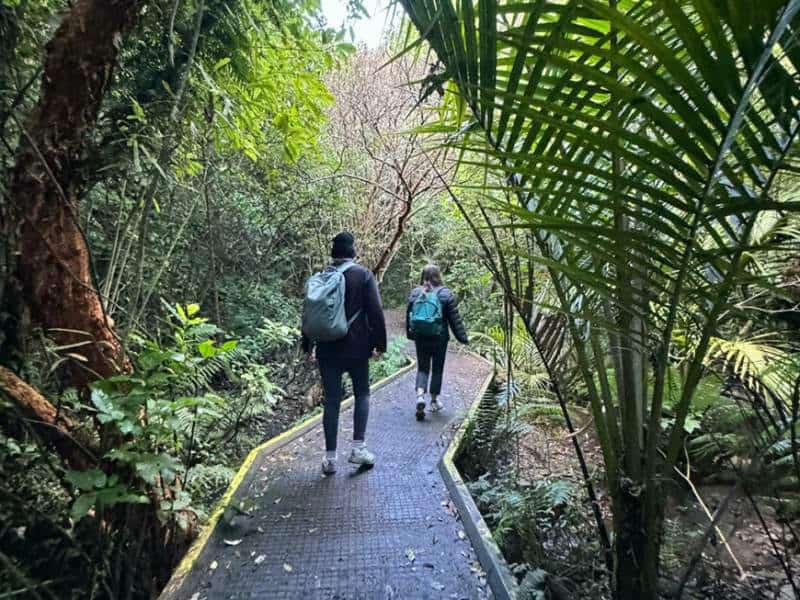
三十二キロにおよぶ遊歩道が谷に張りめぐらされているため、滞在時間は自由に組み立てられます。とはいえ、入り口付近を三十分歩いて帰るのはもったいない。半日、できれば午前中いっぱいを見ておくと、人の少ない谷の奥まで足を延ばせます。地形には相応の起伏があり、平坦な公園散策のつもりでいると帰り道で疲れが出ます。入園料には屋内の展示エリアが含まれ、湖を見下ろすラータ・カフェで休むこともできます。夜のツアーを予定しているなら、明るいうちに同じ道を歩いておくと、暗くなってからの地形の把握が格段に楽になります。
There are 32 kilometres of tracks, so how long you stay is up to you – but half a day is a fair minimum, and a full morning gets you into the back of the valley where it goes quiet. The terrain has real hills in it. This is not a flat park stroll, and people who treat it as one come back tired. Admission includes the indoor exhibition, and the Rata cafe above the lake when you want to sit down. If a night tour is on your list, walking the tracks in daylight first makes the dark easier to read.
The most useful thing to carry into Zealandia is a different measure of time. The fence went up in 1999, the plan runs to the year 2500, and the tui in Wellington’s street trees are a mid-point result nobody alive will see the end of. Walk it slowly enough and you are not visiting an attraction so much as standing inside an argument about what this country could be again.
ゼランディアに持って行くべきものがあるとすれば、それは時間の物差しをひとつ替えることかもしれません。フェンスが完成したのは一九九九年、計画の終点は五百年先です。ウェリントンの街路樹でトゥイが鳴いているのは、その長い工程の途中経過にすぎず、完成した姿を見届ける人は今この世に一人もいません。ゆっくり歩けば、ここは観光施設ではなく、この国がもう一度どんな姿になり得るのかという問いの内側に立つ場所になります。

2 comments
The weasel sighting is the bit most write-ups leave out. That 8.6km fence only works because someone walks the line every single day.
Can confirm the dress-a-layer-warmer advice, we did the night walk in July and the cold sat right in the valley floor. We stood by the lower dam for about ten minutes before the guide picked up a kiwi working through the leaf litter and it came out maybe three metres from us. One thing the article does not mention: give your eyes a good twenty minutes to adjust to the red torches, mine took ages and I nearly missed the first ruru.