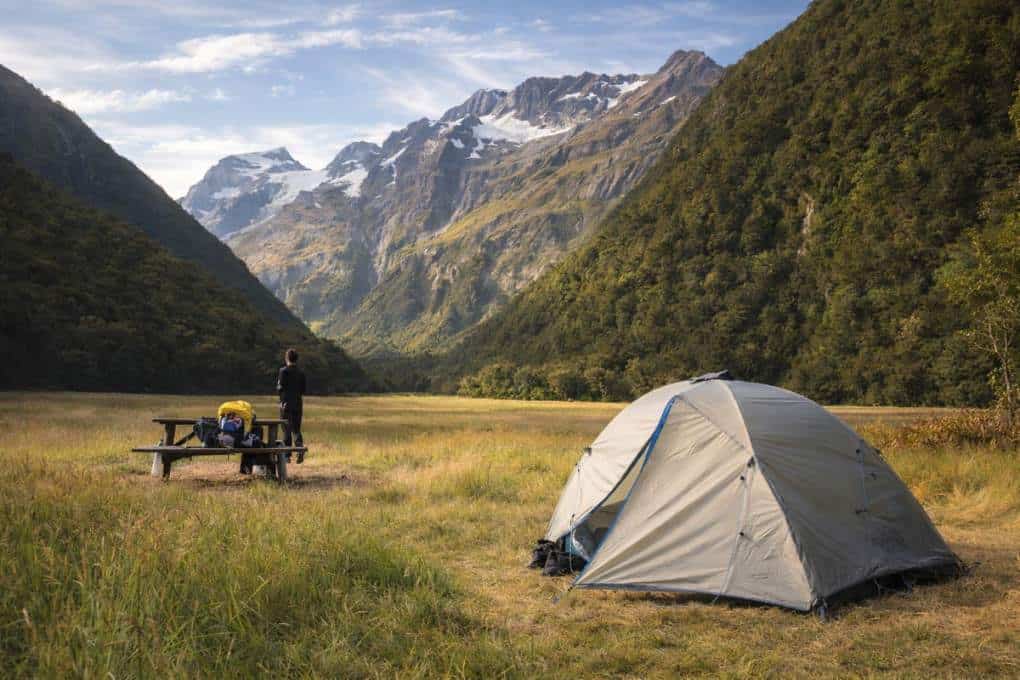
The Department of Conservation runs more places to sleep than any hotel chain in New Zealand – several hundred campsites and roughly 950 huts, most with no reception desk and no obvious way to pay. To a first-time visitor it looks like guesswork. It is not. It is a ladder, and once you can read it the country opens up.
ニュージーランドでもっとも多くの「泊まれる場所」を持っているのは、ホテルチェーンではなく政府機関です。自然保護省(Department of Conservation、通称DOC)は、全国に数百か所のキャンプ場と、およそ950の山小屋を管理しています。その多くには受付もスタッフもなく、料金の払い方すら一見して分かりません。けれどもこの仕組みには明快な段階があり、それさえ読めるようになれば、この国の奥行きが一気に手の届くところまで来ます。
Meeting the Department of Conservation | 自然保護省(DOC)という存在
The Country’s Largest Accommodation Network | 国内最大の宿泊ネットワーク
DOCが管理するキャンプ場は全国で300か所以上、山小屋(ハット)は約950。これは民間のどのホテルチェーンよりも大きな宿泊ネットワークです。しかも立地が特別で、国立公園の中、湖のほとり、人の少ない海岸線、そしてグレートウォーク(DOCが選定した長距離歩道)の道沿いに点在しています。DOCは日本でいえば環境省と林野庁を合わせたような役割を担う政府機関で、マオリ語ではテ・パパ・アタファイ、「宝を守る者」という意味の名を持ちます。これらの宿は観光事業ではなく、保護地の管理業務の一部として運営されています。だから安く、だから素朴なのです。
DOC manages more than 300 campsites and around 950 huts, which makes it the largest accommodation network in the country by a wide margin. The locations are the point: inside national parks, on lakeshores, along remote coastlines and strung out beside the Great Walks. It is a government department rather than a tourism operator, and the beds exist because somebody has to look after conservation land, not because there is money in it. That is why the sites are cheap and why they are plain.
Why the Category Tells You Everything | 等級を見れば、ほぼすべてが分かる
DOCの宿泊施設には必ず等級(カテゴリー)が付いています。この一語が、設備、料金、予約の要否、そして入り口までの道の状態までほぼ予告してくれます。逆にいえば、等級を読み飛ばすと、シャワーを期待して砂利道の先の草地にたどり着くことになります。キャンプ場はベーシック、スタンダード、サービスドという三段階に、バックカントリーとグレートウォークという別枠が加わる構成です。ニュージーランド政府観光局によるDOCキャンプ場の分類解説では、六つのカテゴリーとして整理されています。
Every DOC site carries a category, and that single word predicts almost everything – the facilities, the price, whether you can book at all, and often the state of the road in. Skip it and you can arrive expecting a hot shower and find a paddock at the end of a gravel track. Campsites run from basic through standard to serviced, with backcountry and Great Walk sites apart from that ladder. Tourism New Zealand sorts them into six categories.
The Campsite Tiers, Decoded | キャンプ場の等級を読み解く
Basic and Standard Sites | ベーシックとスタンダード
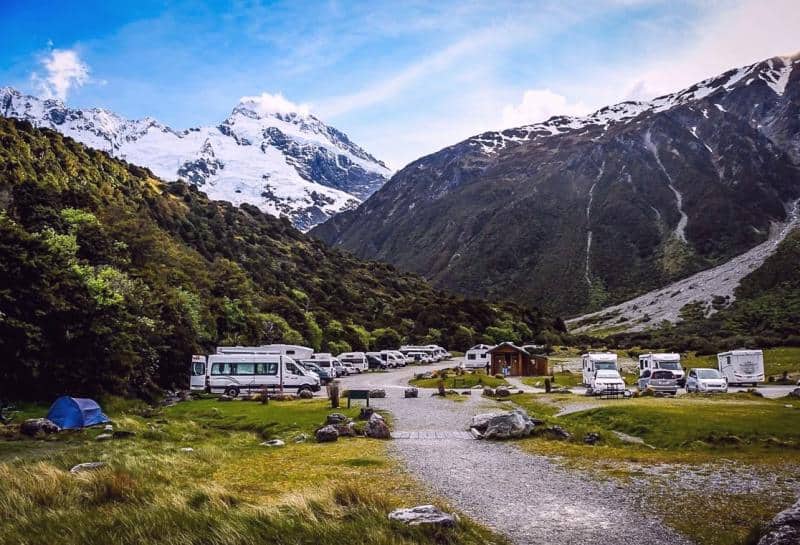
ベーシックのキャンプ場は、たいてい無料です。あるのはロングドロップ(汲み取り式の簡易トイレ)と、処理されていない水源が一つ、それだけということも珍しくありません。たとえばセントラル・オタゴにあるセント・バサンズ保護区キャンプ場は無料のベーシックサイトで、道路は舗装されており、ブルー・レイクの保護区と歴史ある金鉱の町を歩く拠点になります。スタンダードになると、安定した水場ときちんとしたトイレが加わり、ピクニックテーブルや調理小屋、冷水シャワーがある場所も。料金は大人一人一泊で10ドルから20ドルほどが目安です。
Basic campsites are usually free, and what you get is a long-drop toilet, perhaps a water source that has not been treated, and vehicle access that can turn rough for the last stretch. The St Bathans conservation campsite in Central Otago is a fair example – free, sealed access, and a quiet base for the Blue Lake reserve and the old goldmining township. Standard sites add a reliable water supply and better toilets, sometimes a cooking shelter or a cold shower, at roughly $10 to $20 per adult per night.
Serviced Sites and What They Buy You | サービスド・サイトで得られるもの
サービスドは最上級で、水洗トイレ、温水シャワー、調理場、ごみの回収があり、電源付きの区画を持つところもあります。日本のオートキャンプ場に最も近い感覚です。ただし料金の数え方には注意が必要で、DOCの料金は「一区画いくら」ではなく「大人一人一泊いくら」で計算されます。四人家族なら四人分。執筆時点の目安として、サービスドの電源なしサイトが大人一人一泊25ドル前後、電源付きだと20ドルから28ドルほど。子どもは年齢と施設によって割安か無料になります。人数によっては民間のホリデーパークのほうが安くつく、という逆転が起きるのはこのためです。
Serviced sites are the top rung: flush toilets, hot showers, a kitchen or cooking shelter, rubbish collection and often powered bays. Watch the arithmetic. DOC charges per adult per night rather than per site, so a family of four pays four times over. At the time of writing an unpowered serviced site sits around $25 per adult, with powered bays in the $20 to $28 range, and children reduced or free depending on age. That inversion is why a holiday park sometimes works out cheaper for a group.
Great Walk Campsites Sit Outside the Ladder | グレートウォークのキャンプ場は別枠
グレートウォークのキャンプ場は、この等級の梯子には乗っていません。ミルフォード・トラックを除くすべてのグレートウォーク沿いに約60か所あり、設備はトイレと水場という素朴なものですが、予約制度も料金体系も独立しています。そして何より、真っ先に埋まります。ここが日本の感覚といちばん違うところで、「満室なら次の宿へ」という選択肢が事実上ありません。次のキャンプ場まで徒歩で数時間、途中に町はなく、引き返すにも同じ距離を歩くことになります。曖昧な計画がもっとも通用しないのが、この別枠のカテゴリーです。
Great Walk campsites do not sit on that ladder at all. There are around 60 of them, along every Great Walk except the Milford, and the facilities are pared back to a toilet and a water supply. They book and price on their own system, and they are the first thing to sell out. This is where a vague plan hurts most, because the alternative to a full site is often several hours of walking away, with the same distance back.
Paying Where There Is No Reception Desk | 受付のない場所での支払い方
The Self-Registration Box | 自己申告制の料金箱
受付のないキャンプ場に着くと、入口の近くに掲示板があり、封筒と鉛筆、その下に小さな施錠された箱が据え付けられています。これがセルフレジストレーション、いわゆる「オネスティボックス(正直箱)」です。封筒に名前、車のナンバー、泊数、大人の人数を書き、料金を入れて箱に落とす。誰も見ていませんし、領収書も出ません。日本の感覚では落ち着かないかもしれませんが、これはニュージーランドの公共空間を支えている前提そのものです。レンジャー(管理官)が巡回して封筒の控えを確認するので、記入は正確に。そして必ず人数分を入れてください。
At a site with no reception you will find a board near the entrance with envelopes and a pencil, and a small locked box underneath. This is self-registration, and everyone calls it the honesty box. You write your name, vehicle registration, nights and number of adults on the envelope, put the cash inside and post it. Nobody watches and no receipt comes back. A ranger does come through and check the stubs, so fill it in properly – and pay for everyone in the party, not just the driver.
A Pass Is Not a Booking | パスは予約ではない
よく混同されるのが、キャンプサイト・パスと予約の違いです。パスは開始日から12か月間有効で、一人ずつ購入する仕組み。同じキャンプ場に30日間で最大7泊まで使え、電源付きの区画は一人一泊3ドルほどの追加になります。ただしパスはあくまで「支払い方法」であって、場所を確保するものではありません。予約が必要なキャンプ場では、パスを持っていても別途予約が要ります。予約する際は、実際に持ち込む車種と人数で登録すること。そして確認書は必ずオフラインで携帯してください。山あいのキャンプ場に携帯の電波はほとんど届かず、画面を開けない予約は、満員の場所では主張しづらいものです。
The Campsite Pass is the thing people get wrong most often. It runs for 12 months from the date you choose, is bought per person, covers up to seven nights at the same campsite in any 30-day window, and powered bays add roughly $3 per person per night. What it is not is a reservation. Where a site requires booking, the pass pays but does not hold your place. Book for the vehicle and party size you are actually bringing, and save the confirmation offline.
Huts, Tickets and the Booking Window | 山小屋、ハットチケット、そして予約解禁日
How the Hut Grades and Tickets Work | 小屋の等級とハットチケットの仕組み
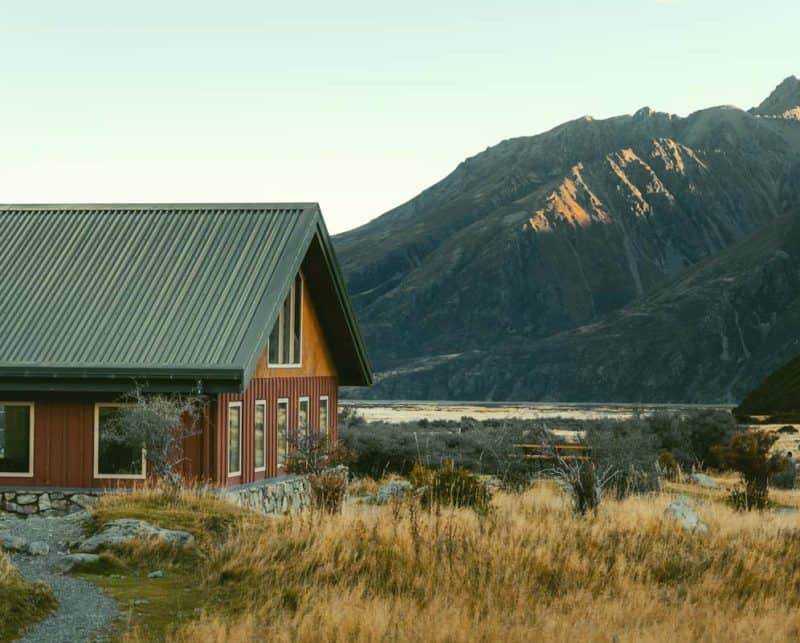
山小屋も同じように等級で分かれています。もっとも簡素なのはビビィやシェルターと呼ばれる避難小屋で、屋根と床があるだけ。スタンダードの小屋には二段ベッド(バンク)と水場、たいていは調理台があります。サービスドの小屋になるとマットレス付きのバンク、暖房用の薪ストーブ、場所によってはガスコンロまで備わります。支払いはハットチケットという紙の券が基本で、小屋の等級に応じて必要枚数が変わり、到着したら記入して小屋の箱に入れます。長く歩くならバックカントリー・ハット・パスのほうが割安です。どちらも出発前に買っておくもので、小屋では売っていません。
Huts are graded the same way. At the bottom are bivvies and shelters, which are a roof and a floor and little else. Standard huts have bunks, a water supply and usually a bench to cook on. Serviced huts add mattresses, a wood burner for heat and sometimes gas rings. Payment runs on hut tickets – paper tickets bought in advance, torn off in the number the hut’s grade requires and dropped in the box on arrival. If you walk often, the Backcountry Hut Pass is cheaper. Neither is sold at the hut.
The Great Walks Booking Window | グレートウォークの予約解禁
グレートウォークの小屋と、人気の高い一部の高山小屋は、シーズン中は完全予約制です。しかも予約の受付は歩く数か月前に一斉に開き、ルートによっては開いたその日のうちに主要な日程が埋まります。日本から計画する場合、これが旅程全体の起点になると考えてください。航空券より先に、まず予約解禁日を調べる。逆にいえば、この一点さえ押さえておけば、あとの行程は驚くほど柔軟に組めます。オフシーズンには予約が不要になる区間もありますが、そのぶん小屋の設備は減り、天候と道の状態の判断は自分の責任になります。
Great Walk huts, and a number of popular alpine huts, are booking-only through the season. Bookings open months ahead in one go, and on the busier tracks the good dates are gone the same day. If you are planning from Japan, treat that opening date as the hinge of the whole trip – find it before you buy flights, not after. Outside the season some tracks drop back to a ticket system, but the huts are stripped down and the weather and track conditions become entirely your own call.
The Night Itself | 小屋で過ごす一夜
Nobody Is Turned Away | 誰も追い返されない
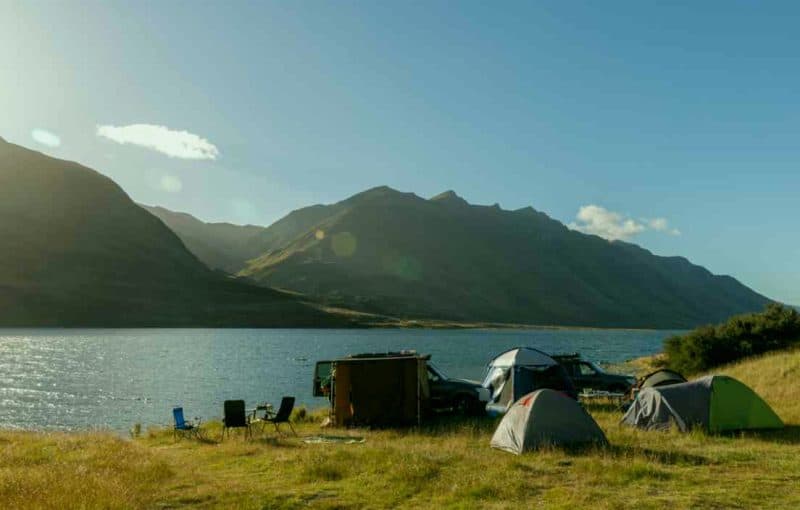
予約制ではない小屋では、バンクは早い者勝ちです。そしてここが日本の宿の常識と大きく違う点なのですが、満員でも人が追い返されることはありません。バンクが埋まっていれば床、床も埋まればベランダの隅。「満室」は「お断り」ではなく「床で寝てください」という意味です。悪天候の中を歩いてきた人に扉を閉めない、という考え方が土台にあります。だからこそ、こちらにも準備が要ります。スリーピングマットは必ず持参してください。夏の人気ルートでは、天候が許すなら小屋の脇にテントを張るという選択肢も現実的です。
In huts that cannot be booked, bunks go to whoever gets there first, and the convention will surprise you: nobody is turned away. If the bunks are full you sleep on the floor, and if the floor is full you find a corner of the verandah. A full hut means floor space, not a closed door, because you do not shut someone out who has walked in through bad weather. Carry a sleeping mat, and on a busy summer track be ready to pitch beside the hut instead.
The Unwritten Rules | 書かれていないルール
小屋の作法は、日本の山小屋の感覚とかなり近い部分があります。靴は中で脱ぐ。荷物は一か所にまとめ、ベンチいっぱいに広げない。まだ歩いている人のためにバンクを空けておく。そして夜は早く静かに。多くの人が夜明け前に出発するからです。ひとつだけ必ず守ってほしいのが、ハットブック(宿泊記録簿)への記入です。礼儀としてだけでなく、遭難時に捜索救助隊が最初に開くのがこの記録簿だからです。出るときは床を掃き、薪ストーブがある小屋では次に来る人のために焚きつけを補充する。ごみは食べ残しも含めてすべて持ち帰り、ストーブで燃やさないこと。
Hut etiquette will feel familiar to anyone who has stayed in a Japanese mountain hut. Boots off inside. Keep your gear in one pile rather than spread across the bench. Leave bunks free for people still walking in, and be quiet early, because plenty of trampers start before dawn. The one thing to do without fail is fill in the hut book – it is courteous, but more importantly it is the first thing search and rescue reads. Sweep on the way out, restock the kindling, and carry everything out including food scraps.
Matching the Night to the Trip | その夜に合った場所を選ぶ
最後は、その夜に何を求めるかという判断です。ベーシックのサイトは、天気が安定していて装備が整っていれば最高の一夜になります。ところが装備がすでに濡れていると、同じ場所が惨めな一夜に変わります。海沿いを数日歩いたあとのサービスドの一泊は、濡れた道具、切れかけた電池、洗濯、そして気力の四つを一度に片づけてくれるので、料金以上の価値があります。そして出発前に、必ずその施設のページを確認してください。焚き火の可否、犬の同伴、発電機の使用、最長滞在日数、季節による道路の閉鎖。高山や裏道のアクセスは予告なく閉まることがあり、注意喚起はそのページに出ます。
The last call is what you want out of the night. A basic site is a fine place to be in settled weather with the right gear, and a miserable one when everything you own is already wet. A serviced night after a few hard days on the coast sorts out wet gear, flat batteries, laundry and morale in a single stop. Check the page for the exact site before you commit – fire rules, dogs, generators, maximum stay and seasonal road access, which can close without much warning.
None of this is complicated once you have done it. The system asks something most accommodation does not: read the category, carry what you need, and pay when nobody is checking. Get that right and several hundred of the country’s best places to wake up are open to you.
一度やってみれば、この仕組みは決して難しいものではありません。DOCのキャンプ場と山小屋が求めているのは、等級を読むこと、必要なものを自分で持っていくこと、そして誰も見ていない場所できちんと支払うこと。その三つだけです。それさえできれば、この国でいちばん気持ちのいい朝を迎えられる場所が、数百か所も開かれています。

2 comments
Good rundown. One thing worth adding for anyone buying hut tickets – get a few more than you think you need before you head in, because the visitor centres in the smaller towns keep odd hours and you can’t buy them at the hut itself. Found that out the hard way on the way into Arthur’s Pass.
オネスティボックスの説明、まさにこれです。初めてセント・バサンズに着いたとき、封筒に何を書けばいいのか分からず、車の中で10分ほど固まっていました。人数分を払うという一点さえ理解していれば、あとは迷いません。The per-adult pricing catches a lot of Japanese visitors out too, since we are used to paying per site. Worth saying out loud like you did.